Tag: e-commerce

  • Retail expansion plans: Best proven strategies for growth

    Retail expansion plans: Best proven strategies for growth

    retail expansion plans are at the forefront of Kicky & Perky’s new growth chapter. The brand is excited to announce the opening of its first official store and ambitious expansion strategies.

    Introduction to Kicky & Perky

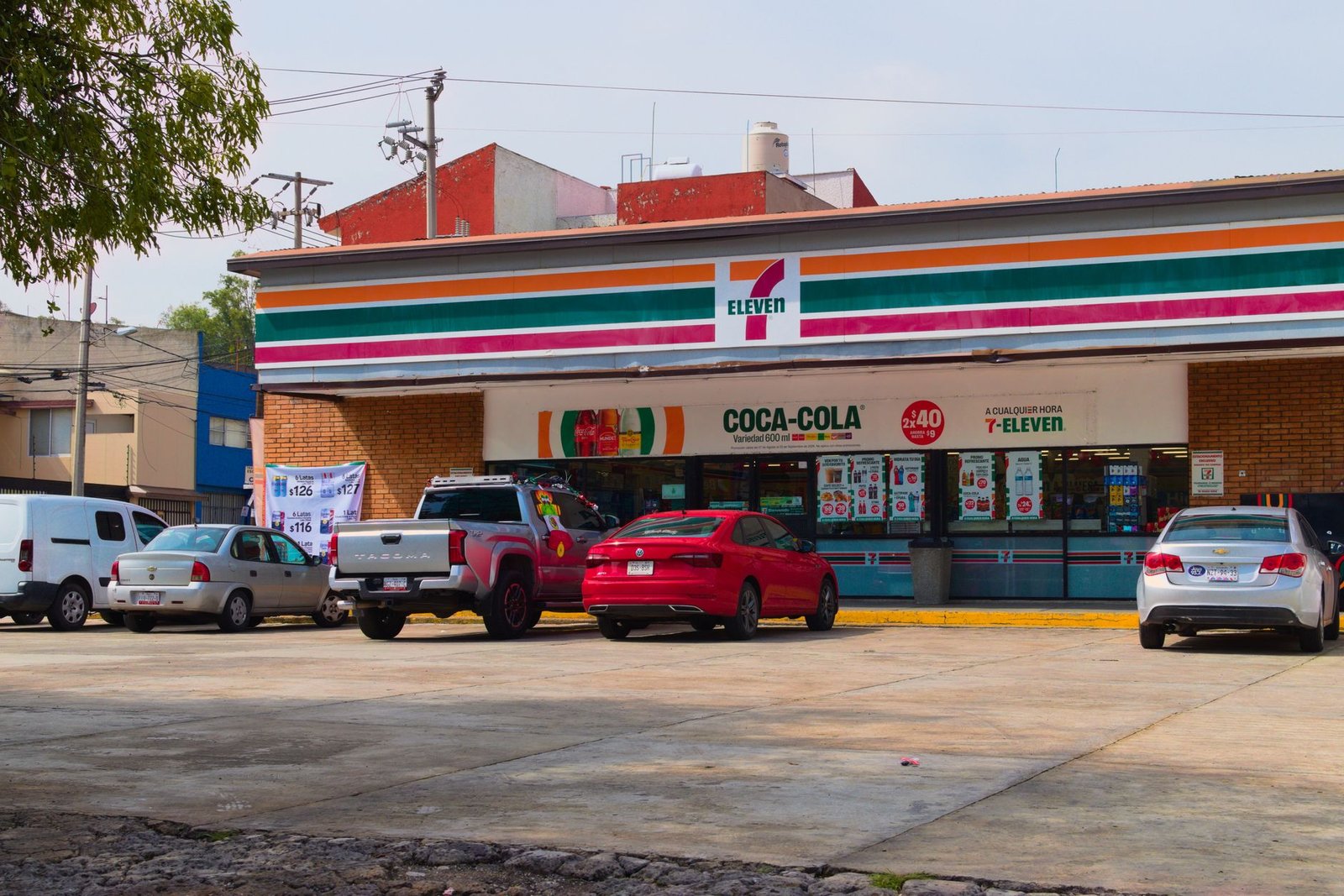
    Kicky & Perky, a rising star in the retail industry, is set to embark on an exciting journey with its inaugural physical store opening. This move marks a significant milestone in the company’s growth, as it transitions from an online-only presence to a brick-and-mortar establishment. The launch of the store is part of Kicky & Perky’s broader retail expansion plans aimed at reaching a wider audience and enhancing customer experience.

    The company, known for its innovative product offerings and commitment to quality, has garnered a loyal following through its online platform. With the new store, Kicky & Perky aims to create a vibrant shopping atmosphere that reflects its brand identity and values. Customers can expect to find an engaging environment featuring exclusive products and personalized service.

    As Kicky & Perky delves into this new chapter, it is focused on leveraging proven strategies for growth. These strategies include:

    • Enhancing customer engagement through interactive in-store experiences.
    • Expanding product lines to cater to diverse consumer preferences.
    • Implementing effective marketing campaigns to drive foot traffic.

    With these retail expansion plans in motion, Kicky & Perky is poised to make a lasting impact in the marketplace.

    Overview of Retail Expansion

    The retail landscape is rapidly evolving, and businesses are constantly seeking innovative ways to enhance their presence. Kicky & Perky, a dynamic player in the market, has unveiled its retail expansion plans, signaling a significant step towards growth and market penetration.

    Understanding the intricacies of retail expansion is crucial for companies looking to thrive. Here are some effective strategies that can lead to successful growth:

    • Market Research: Conducting thorough market research helps businesses identify potential locations and understand consumer preferences.
    • Brand Positioning: Establishing a strong brand identity is essential, as it differentiates a business from competitors and attracts a loyal customer base.
    • Location Selection: Choosing the right locations for new stores can significantly impact foot traffic and sales, making it a critical decision in retail expansion plans.
    • Technology Integration: Embracing technology to enhance the shopping experience can streamline operations and improve customer engagement.
    • Partnerships: Collaborating with local businesses or influencers can amplify brand visibility and foster community connections.

    By implementing these strategies, Kicky & Perky is poised to make a lasting impact in the retail sector, marking the beginning of an exciting growth chapter.

    Importance of Official Store Launch

    The launch of an official store is a pivotal moment in the retail expansion plans of any brand. It signifies not just a new location, but a tangible commitment to growth and customer engagement. For Kicky & Perky, the opening of their first official store marks a significant milestone in their journey, providing a physical space where customers can connect with the brand on a deeper level.

    Establishing an official store serves various strategic purposes:

    • Brand Visibility: An official store enhances brand recognition and visibility in the marketplace, making it easier for potential customers to discover and engage with the products.
    • Customer Experience: Physical stores allow for an immersive shopping experience, where customers can interact with products, receive personalized assistance, and gain a stronger emotional connection to the brand.
    • Market Insights: Retail locations provide valuable insights into consumer behavior and preferences, enabling brands to tailor their offerings to meet customer demands more effectively.
    • Community Engagement: An official store can foster community relationships through local events and partnerships, further embedding the brand within the local culture.

    Overall, the importance of launching an official store cannot be overstated, as it lays the groundwork for future retail expansion plans and sustainable growth.

    Growth Strategies for Retailers

    As retailers like Kicky & Perky embark on their retail expansion plans, several proven strategies can help ensure successful growth. Understanding the market landscape is essential, and retailers should conduct thorough research to identify target demographics and consumer preferences.

    One effective strategy is to leverage technology for enhanced customer engagement. Implementing robust e-commerce platforms alongside brick-and-mortar stores allows retailers to reach a broader audience while providing convenient shopping options. Utilizing data analytics can further tailor marketing efforts to specific customer segments.

    Additionally, establishing strong partnerships with local suppliers can enhance product offerings and foster community support. This local approach not only strengthens the brand but also aligns with consumer preferences for supporting local businesses.

    Furthermore, creating an exceptional in-store experience is crucial. Retailers should focus on visual merchandising and staff training to ensure a welcoming atmosphere that encourages repeat visits. Special events and promotions can also attract new customers and create buzz around the store.

    In summary, incorporating these growth strategies into retail expansion plans can significantly enhance a retailer’s chances of success in a competitive marketplace.

    Challenges in Retail Expansion

    Retail expansion plans often come with a unique set of challenges that can hinder growth if not properly addressed. One significant obstacle is the understanding of local markets. Retailers must conduct thorough market research to adapt their offerings to meet the demands and preferences of consumers in different regions.

    Another challenge is the allocation of resources. Expanding into new locations requires substantial investment, and retailers must carefully balance their budgets to ensure they can support both new and existing stores. Failure to do so can result in overextension and operational difficulties.

    Additionally, hiring and training staff for new locations can be a daunting task. Finding the right talent that aligns with company culture is essential for maintaining brand reputation and customer satisfaction.

    Moreover, logistics and supply chain management become more complex as retailers expand. Ensuring that products are delivered on time and maintaining inventory levels across multiple locations is crucial for successful retail operations.

    Lastly, competition increases as retailers enter new markets. Companies must differentiate themselves through unique value propositions and marketing strategies to stand out among established players. Addressing these challenges is vital for the success of retail expansion plans.

    Success Stories in E-commerce

    As retailers navigate the competitive landscape of e-commerce, several brands have successfully implemented retail expansion plans that serve as inspiration for others looking to grow. One such success story is that of Kicky & Perky, which recently launched its first official store, marking a significant milestone in its expansion journey.

    By leveraging digital marketing strategies and enhancing customer engagement through social media platforms, Kicky & Perky has effectively built a loyal customer base. Their approach includes:

    • Targeted Advertising: Utilizing data analytics to identify target demographics and tailor advertisements that resonate with potential customers.
    • Omni-channel Experience: Creating a seamless shopping experience across online and offline channels, ensuring that customers can shop however they prefer.
    • Customer Feedback Integration: Actively listening to customer feedback to refine product offerings and improve overall service quality.
    • Collaborations and Partnerships: Partnering with influencers and other brands to expand reach and enhance brand visibility.

    These proven strategies have not only driven sales growth for Kicky & Perky but also established a strong foundation for future retail expansion plans. As they continue to evolve, other retailers can draw valuable lessons from their journey.

    Future Plans for Kicky & Perky

    Kicky & Perky has laid out ambitious retail expansion plans as it embarks on a new chapter following the launch of its first official store. The company aims to enhance its market presence while catering to a growing customer base. With a focus on innovative strategies, Kicky & Perky intends to open multiple locations over the next few years.

    Key components of their future plans include:

    • Market Research: Conducting comprehensive studies to identify potential locations that align with consumer demand.
    • Brand Partnerships: Collaborating with local brands and influencers to increase visibility and drive foot traffic.
    • Customer Engagement: Implementing interactive in-store experiences to enhance customer loyalty and satisfaction.
    • Sustainable Practices: Incorporating eco-friendly initiatives within new stores to appeal to environmentally conscious consumers.

    In addition, Kicky & Perky plans to leverage technology through online platforms, ensuring a seamless integration of its retail and e-commerce operations. By adopting these proven strategies, the company is set to achieve significant growth while navigating the complexities of retail expansion.

    Conclusion and Key Takeaways

    As Kicky & Perky embarks on its new growth chapter with the launch of its first official store, the journey highlights the significant impact of well-planned retail expansion plans. With a clear understanding of the market dynamics, the brand has set the stage for sustained growth and engagement with its customers.

    In summary, the key strategies for successful retail expansion include:

    • Thorough Market Research: Understanding local consumer behavior is essential.
    • Strategic Location Selection: Choosing the right location can drive foot traffic and brand visibility.
    • Effective Marketing Campaigns: Engaging marketing can create buzz and attract customers.
    • Leveraging Technology: Utilizing e-commerce platforms can complement physical store sales.
    • Building Customer Relationships: Fostering loyalty through excellent customer service is key.

    As retailers like Kicky & Perky navigate the complexities of expansion, it is crucial to remain adaptable and responsive to market changes. The combination of innovative strategies and a customer-centric approach will be instrumental in overcoming challenges and achieving long-term success in the retail sector.

    By wachovia_138 via Openverse

    Read the original

    NewsX

    Related reading

    Flipkart for Earth: Best Sustainable Products You Can Trust · Is MK Sons Fine Jewels IPO the Best Investment Opportunity? · Fossil Signature watch: The Best Swiss-Made Collection in India

  • Flipkart for Earth: Best Sustainable Products You Can Trust

    Flipkart for Earth aims to provide premium sustainable products that cater to environmentally conscious consumers. This initiative marks a significant step in retail-ecom towards sustainability.

    Introduction to Flipkart for Earth

    In a significant move towards promoting sustainability, Flipkart has introduced its initiative called Flipkart for Earth. This program aims to offer consumers a curated selection of premium sustainable products that are not only eco-friendly but also reliable and high-quality. With increasing awareness about environmental issues, Flipkart is stepping up to meet the demand for responsible consumer choices.

    The Flipkart for Earth initiative will feature a wide range of products, ensuring that customers can find sustainable alternatives across various categories. From clothing made with organic materials to household items designed to minimize environmental impact, the selection promises to cater to environmentally conscious shoppers.

    Additionally, the platform aims to partner with brands that are committed to ethical manufacturing processes, ensuring that each product selected aligns with the sustainability ethos. This initiative marks a crucial step in Flipkart’s journey toward fostering a greener future, encouraging shoppers to make informed choices that benefit the planet.

    What Are Sustainable Products?

    Sustainable products are items designed with the environment in mind, aiming to reduce harm and promote ecological balance. These products often come from renewable resources, are biodegradable, or are manufactured through processes that minimize waste and energy consumption.

    Consumers are increasingly drawn to sustainable options as they seek to make responsible choices that contribute positively to the planet. The concept of sustainability encompasses various aspects, including:

    • Material: Products made from recycled or organic materials.
    • Production: Eco-friendly manufacturing processes that reduce carbon footprints.
    • Longevity: Durable items that reduce the need for frequent replacements.
    • Ethics: Fair trade practices ensuring fair wages and safe working conditions.

    With the launch of Flipkart for Earth, shoppers can access a curated selection of these sustainable products, reinforcing their commitment to environmental responsibility while enjoying quality and trust.

    The Importance of Eco-Friendly Shopping

    In today’s world, the significance of eco-friendly shopping cannot be overstated. As consumers become increasingly aware of environmental issues, the demand for sustainable products is on the rise. Flipkart for Earth aims to meet this demand by offering a curated selection of eco-friendly items that not only benefit the planet but also enhance the quality of life for consumers.

    Shopping sustainably is essential for several reasons:

    • Reduces Waste: Eco-friendly products often utilize biodegradable materials, minimizing landfill contributions.
    • Conserves Resources: Sustainable practices in manufacturing help preserve natural resources for future generations.
    • Supports Ethical Brands: By choosing sustainable products, consumers support companies committed to ethical production processes.
    • Promotes Health: Many eco-friendly items are free from harmful chemicals, contributing to a healthier lifestyle.

    With initiatives like Flipkart for Earth, shoppers can confidently make choices that align with their values while promoting environmental sustainability.

    Flipkart’s Commitment to Sustainability

    Flipkart’s commitment to sustainability is evident through its initiative, Flipkart for Earth, which aims to promote eco-friendly shopping practices among consumers. The platform recognizes the urgent need to address environmental concerns and is dedicated to offering products that minimize ecological impact. By partnering with brands that prioritize sustainability, Flipkart ensures that shoppers have access to high-quality, environmentally responsible products.

    Through Flipkart for Earth, customers can find a diverse range of items, from biodegradable household goods to sustainably sourced fashion. This initiative not only supports conscious consumerism but also encourages brands to adopt greener practices in their production processes. Flipkart is actively working to create a marketplace that aligns with the values of environmentally aware consumers, making it easier than ever to choose products that contribute to a healthier planet.

    • Promoting eco-friendly products
    • Partnering with sustainable brands
    • Encouraging responsible consumer choices

    How Flipkart for Earth Works

    Flipkart for Earth is an initiative designed to promote sustainable shopping practices among consumers. By partnering with various brands, Flipkart curates a selection of eco-friendly products that meet strict sustainability criteria. This initiative not only supports environmentally conscious brands but also educates consumers about the importance of making responsible purchasing decisions.

    When browsing through Flipkart for Earth, customers can easily identify sustainable products through a dedicated section that highlights their eco-friendly attributes. These products often feature certifications such as organic, cruelty-free, or biodegradable, ensuring that shoppers can trust their choices.

    Moreover, Flipkart encourages sellers to adopt sustainable practices in their operations, offering resources and support to help them minimize their environmental impact. This commitment extends to packaging and logistics, ensuring that the entire supply chain aligns with sustainable values.

    Ultimately, Flipkart for Earth aims to create a community of informed consumers who prioritize sustainability in their shopping habits.

    Benefits of Choosing Sustainable Products

    Choosing sustainable products through initiatives like Flipkart for Earth offers numerous benefits that extend beyond personal consumption. One of the primary advantages is the positive impact on the environment. Sustainable products are often made from eco-friendly materials, reducing waste and pollution. By opting for these items, consumers contribute to the conservation of natural resources and help combat climate change.

    Additionally, sustainable products often promote ethical manufacturing practices. Many brands involved in Flipkart for Earth prioritize fair labor conditions and support local communities, ensuring that your purchase positively affects both people and the planet.

    Furthermore, embracing sustainability can lead to healthier lifestyle choices. Many eco-friendly products are free from harmful chemicals and toxins, benefiting your health and that of your family. Lastly, sustainable shopping often encourages innovation, leading to the development of new technologies and materials that are better for the environment.

    In summary, choosing sustainable products nurtures a more responsible and conscious consumer culture.

    Consumer Trends in Sustainable Retail

    As consumers become increasingly aware of environmental issues, there has been a noticeable shift in shopping habits towards sustainability. This trend is reflected in the growing popularity of platforms like Flipkart for Earth, which focuses on offering eco-friendly products that appeal to conscientious buyers. Many shoppers are now prioritizing brands that demonstrate a commitment to sustainability, leading to an uptick in demand for sustainable goods.

    Key consumer trends influencing this shift include:

    • Increased Awareness: More consumers are informed about the environmental impact of their purchases.
    • Preference for Transparency: Shoppers favor brands that provide clear information about their sourcing and manufacturing processes.
    • Support for Local Products: Many consumers are drawn to products that are made locally, reducing carbon footprints.
    • Investing in Quality: There is a growing belief that sustainable products, though sometimes pricier, offer better long-term value.

    This shift in consumer behavior is crucial for platforms like Flipkart as they adapt to meet the demands of a more environmentally conscious market.

    Future of E-Commerce and Sustainability

    The future of e-commerce is increasingly intertwined with sustainability, and initiatives like Flipkart for Earth are at the forefront of this transformation. As consumers become more environmentally conscious, they are seeking products that not only meet their needs but also align with their values. This shift in demand is pushing retailers to rethink their sourcing and operational practices.

    Online platforms must prioritize transparency and sustainability to build trust with their customers. By investing in sustainable supply chains and offering eco-friendly options, e-commerce giants can play a crucial role in reducing their carbon footprints. Additionally, educating consumers on the benefits of sustainable products can further promote responsible shopping habits.

    As more brands commit to sustainable practices, the marketplace will likely see an increase in innovative and eco-friendly offerings. This evolution not only benefits the planet but also creates new opportunities for businesses that embrace sustainability as a core principle.

    References

    You might also like

  • Blinkit expansion targets: Best proven strategies ahead

    Blinkit expansion targets are in focus after Q2 FY27, with insights from major financial players like JP Morgan, CLSA, and Citi. This expansion could redefine the retail e-commerce landscape.

    Overview of Blinkit Expansion

    Blinkit, the rapid grocery delivery service, is making significant strides in its expansion targets as it seeks to solidify its presence in the competitive market. Recent analyses from major brokerage firms, including JP Morgan, CLSA, and Citi, have highlighted the company’s strategic initiatives aimed at enhancing its operational efficiency and customer reach.

    Key strategies identified for Blinkit’s expansion include:

    • Geographic Diversification: Expanding into new cities to tap into untapped markets.
    • Technology Investments: Utilizing advanced logistics and delivery technologies to optimize service.
    • Partnerships: Collaborating with local vendors to broaden product offerings.

    These proven strategies are expected to bolster Blinkit’s market share and drive growth in the upcoming quarters.

    Financial Insights from JP Morgan

    In a recent analysis, JP Morgan provided valuable financial insights regarding Blinkit’s expansion targets. According to their report, Blinkit is on track to significantly increase its market share in the quick commerce sector. The brokerage highlighted several key factors that could drive this growth:

    • Investment in Technology: Blinkit aims to enhance its delivery system through advanced technological solutions.
    • Strategic Partnerships: Collaborating with local businesses could strengthen Blinkit’s foothold in various regions.
    • Customer Engagement: Improving customer experience is crucial to maintaining loyalty and expanding its user base.

    JP Morgan’s optimistic view aligns with broader market expectations, suggesting that Blinkit’s expansion targets are not only ambitious but also achievable with the right strategies in place.

    CLSA’s Perspective on Growth

    CLSA analysts have outlined their perspective on Blinkit’s expansion targets, emphasizing the company’s potential for significant growth in the fast-paced e-commerce sector. According to their analysis, Blinkit is well-positioned to capitalize on increasing consumer demand for quick service delivery, particularly in urban areas.

    Key points highlighted by CLSA include:

    • Market Penetration: Increased focus on expanding into tier 2 and tier 3 cities.
    • Partnership Opportunities: Collaborations with local vendors to enhance product offerings.
    • Technology Investment: Enhanced logistics and delivery mechanisms to improve customer experience.

    With these strategies in place, CLSA believes Blinkit’s expansion targets are not only ambitious but also achievable, positioning the company favorably against competitors in the growing market.

    Citi’s Targets for Retail

    Citi has outlined ambitious targets for Blinkit’s expansion, emphasizing the importance of strategic market penetration. The brokerage believes that Blinkit can significantly enhance its reach and operational efficiency by focusing on key areas.

    According to Citi, the following strategies are crucial for achieving Blinkit’s expansion targets:

    • Geographical Diversification: Expanding into untapped regional markets to increase customer base.
    • Technology Integration: Leveraging advanced technology for improved logistics and customer experience.
    • Partnership Development: Establishing collaborations with local businesses to strengthen market presence.
    • Sustainability Initiatives: Implementing eco-friendly practices to attract environmentally conscious consumers.

    Citi’s insights suggest that with these proven strategies, Blinkit is well-positioned to meet its ambitious goals in the competitive retail landscape.

    Market Trends in E-commerce

    The e-commerce landscape continues to evolve, with significant trends shaping the way companies like Blinkit approach their expansion targets. As consumer preferences shift towards online shopping, businesses are adopting innovative strategies to capture market share.

    Among the key trends influencing the sector are:

    • Increased Mobile Usage: A growing number of consumers are opting for mobile platforms to shop, prompting companies to enhance their app functionalities.
    • Sustainable Practices: Environmental concerns are driving e-commerce businesses to adopt eco-friendly practices, appealing to conscious consumers.
    • Personalization: Tailoring shopping experiences through data analytics allows companies like Blinkit to better meet customer needs.

    These market dynamics present opportunities and challenges as Blinkit navigates its expansion targets in a highly competitive environment.

    Impact of Q2 FY27 on Retail

    The second quarter of FY27 has significantly influenced the retail landscape, particularly regarding the Blinkit expansion targets. Analysts have noted a shift in consumer behavior, with an increasing preference for online shopping and quick delivery services. This trend has prompted Blinkit to refine its growth strategies to better align with evolving market demands.

    Key impacts observed include:

    • Enhanced Logistics: Investments in supply chain efficiency have been critical.
    • Market Penetration: Blinkit continues to expand its reach in urban areas, catering to a growing customer base.
    • Technological Integration: Adoption of advanced tech solutions has improved user experience and operational efficiency.

    These factors collectively suggest that Blinkit’s expansion targets are not only ambitious but also strategically aligned with current retail dynamics.

    Strategic Recommendations for Investors

    Investors looking to capitalize on Blinkit’s expansion targets should consider a multifaceted approach. Firstly, diversification of investment portfolios can mitigate risks associated with market volatility. Secondly, investing in technology that enhances operational efficiency may yield significant returns, as Blinkit continues to optimize its delivery model.

    Furthermore, aligning with strategic partners in logistics and supply chain can bolster Blinkit’s growth trajectory. Monitoring customer preferences and adapting to shifting market demands will also be crucial. Investors should keep an eye on Blinkit’s competitive landscape, particularly as it navigates challenges posed by rival e-commerce platforms.

    Lastly, understanding the broader e-commerce trends will provide insights into Blinkit’s expansion targets, ensuring informed decision-making moving forward.

    Future Outlook for Blinkit

    As Blinkit continues to refine its expansion targets, the future outlook appears promising. Analysts suggest that a focus on technology integration and customer-centric services will be critical for sustained growth.

    To navigate the competitive landscape, Blinkit can consider the following strategies:

    • Enhancing Logistics: Streamlining delivery systems to improve efficiency and reduce costs.
    • Expanding Product Range: Introducing new categories that cater to evolving consumer preferences.
    • Strengthening Partnerships: Collaborating with local businesses to enhance market reach.
    • Investing in Marketing: Utilizing targeted campaigns to boost brand visibility and customer engagement.

    By implementing these strategies, Blinkit is well-positioned to meet its expansion targets and achieve long-term success in the e-commerce sector.

    To effectively achieve the Blinkit expansion targets, leveraging data analytics to understand market trends will be crucial. Additionally, focusing on customer engagement strategies can significantly enhance the chances of meeting Blinkit expansion targets.

    Sources

    Related reading

  • Flipkart Eat-in by Minutes: The Best Quick Delivery Service

    Flipkart Eat-in by Minutes is making waves in the food delivery market. This new service aims to compete directly with Zomato and Swiggy, offering quick and efficient meal options.

    Introduction to Flipkart Eat-in by Minutes

    In the ever-evolving landscape of food delivery services, Flipkart is set to make a significant mark with its new initiative, Flipkart Eat-in by Minutes. This service aims to provide customers with an unparalleled quick delivery experience, challenging established giants like Zomato and Swiggy. With the growing demand for fast and efficient food delivery, Flipkart recognizes the need to cater to consumers who seek convenience without compromising on quality.

    Flipkart Eat-in by Minutes focuses on delivering fresh meals in record time, ensuring that customers receive their orders promptly. This initiative is designed to streamline the ordering process, allowing users to browse a wide range of cuisines from local restaurants and eateries in their vicinity. The platform guarantees not only speed but also a seamless user experience.

    Key features of Flipkart Eat-in by Minutes include:

    • Rapid Delivery: Meals delivered in under 30 minutes.
    • Diverse Options: A variety of cuisines to choose from.
    • User-Friendly Interface: Easy navigation for a hassle-free ordering experience.

    This innovative service is expected to reshape how consumers perceive food delivery in the market.

    Key Features of Eat-in by Minutes

    Flipkart Eat-in by Minutes is designed to provide customers with an unparalleled quick delivery experience. Here are some of the key features that set this service apart:

    • Rapid Delivery: Customers can expect their food to arrive in as little as 10 minutes, ensuring that hunger is addressed promptly.
    • Diverse Menu Options: The service offers a wide range of cuisines, allowing users to choose from popular local restaurants and food chains.
    • User-Friendly Interface: The Flipkart app has been enhanced to make ordering simple and efficient, with easy navigation and quick access to favorite dishes.
    • Real-Time Tracking: Customers can track their orders in real-time, providing transparency and peace of mind regarding delivery times.
    • Promotions and Discounts: Flipkart Eat-in by Minutes frequently offers promotional deals, making it an attractive option for budget-conscious diners.

    With these features, Flipkart aims to give tough competition to established players in the food delivery market like Zomato and Swiggy. The launch of Flipkart Eat-in by Minutes could redefine the way consumers experience quick meal delivery.

    How Flipkart Plans to Compete

    As Flipkart Eat-in by Minutes prepares to enter the competitive food delivery market, the company’s strategy focuses on several key areas to effectively challenge established players like Zomato and Swiggy. By leveraging its extensive logistics network, Flipkart aims to ensure rapid and reliable delivery times that can exceed customer expectations.

    One of the main strategies involves:

    • Partnering with local restaurants: Flipkart plans to onboard a diverse range of eateries, ensuring customers have access to a wide variety of cuisines.
    • Utilizing technology: The app will employ advanced algorithms to optimize delivery routes, aiming to minimize wait times and enhance customer experience.
    • Promotional offers: To attract new users, Flipkart Eat-in by Minutes will introduce enticing discounts and offers, encouraging trial and repeat usage.
    • Customer loyalty programs: Enhancing customer retention through rewards and loyalty initiatives will also be pivotal in building a dedicated user base.

    These strategies are designed not only to compete but also to carve a niche in the ever-evolving food delivery market, positioning Flipkart Eat-in by Minutes as a formidable contender.

    Customer Expectations from the New Service

    As Flipkart launches its new delivery service, Flipkart Eat-in by Minutes, customers have high expectations for what this quick delivery option will offer. Many consumers are looking for a seamless experience that prioritizes speed without compromising on quality.

    Among the key expectations are:

    • Rapid Delivery: Customers anticipate food arriving at their doorstep within minutes, ideally under 30 minutes, to satisfy their immediate cravings.
    • Diverse Menu Options: Users expect a wide range of cuisines to choose from, enabling them to explore various culinary delights.
    • Quality Assurance: There is a strong demand for fresh and high-quality meals that maintain the standards of taste and hygiene.
    • User-Friendly App Interface: Customers desire an intuitive and efficient platform that allows easy navigation, order placement, and tracking of their deliveries.
    • Competitive Pricing: Many hope that Flipkart will offer competitive pricing, making it an attractive alternative to existing giants like Zomato and Swiggy.

    As Flipkart Eat-in by Minutes rolls out, meeting these expectations will be crucial in establishing its foothold in the competitive food delivery market.

    Comparing Eat-in by Minutes with Competitors

    In the rapidly evolving food delivery landscape, Flipkart Eat-in by Minutes aims to set itself apart from established competitors like Zomato and Swiggy. While both Zomato and Swiggy have solidified their positions with extensive restaurant networks and loyal customer bases, Flipkart is leveraging its existing logistics framework to enhance delivery speed and efficiency.

    One of the main advantages of Flipkart Eat-in by Minutes is the integration of advanced technology that optimizes delivery routes, which can significantly reduce wait times. Customers can expect their meals to arrive within minutes rather than the longer durations typical of traditional services.

    Additionally, unlike its competitors who often charge premium prices for quick delivery, Flipkart aims to offer competitive pricing, making it an attractive option for budget-conscious consumers. The service also plans to feature a diverse selection of local eateries, catering to varied tastes.

    To summarize the comparison:

    • Delivery Speed: Eat-in by Minutes promises faster service.
    • Pricing: Competitive rates against Zomato and Swiggy.
    • Diversity: A wider selection of local restaurants.

    Overall, Flipkart Eat-in by Minutes is positioning itself as a formidable contender in the food delivery market.

    Launch Date and Availability

    Flipkart has officially announced the launch of its new delivery service, Eat-in by Minutes, which is set to begin on November 1, 2023. This innovative service aims to cater to customers looking for fast and convenient meal options, giving Flipkart a significant edge in the competitive food delivery market.

    The rollout of Eat-in by Minutes will initially take place in select metropolitan areas, including major cities such as:

    • Bangalore
    • Delhi
    • Mumbai
    • Hyderabad

    As the service expands, Flipkart plans to cover more locations across the country, ensuring that a wider audience can benefit from this quick delivery option. Customers can expect to receive their meals in as little as 10 minutes after placing an order, which positions Flipkart as a formidable competitor against established players like Zomato and Swiggy.

    With a focus on quality and speed, the launch of Eat-in by Minutes is anticipated to significantly enhance the food delivery experience for users, making it a highly awaited addition to Flipkart’s diverse range of services.

    Potential Impact on Food Delivery Market

    The launch of Flipkart Eat-in by Minutes is poised to significantly impact the food delivery market. With an emphasis on speed and convenience, this service aims to cater to the growing demand for quick meal solutions among consumers. Industry experts believe that Flipkart’s entry could disrupt the current dominance of established players like Zomato and Swiggy.

    Key factors contributing to this potential shift include:

    • Increased Competition: Flipkart’s foray into the food delivery sector will lead to heightened competition, prompting existing players to innovate and enhance their services.
    • Focus on Speed: Eat-in by Minutes promises delivery within a short timeframe, setting a new standard that other platforms may need to meet.
    • Broader Market Reach: Leveraging its extensive logistics network, Flipkart can possibly reach underserved areas, making quick meal options available to a wider audience.
    • Customer Retention: By integrating food delivery with its existing e-commerce platform, Flipkart may increase customer loyalty, encouraging users to stay within its ecosystem.

    As the landscape of food delivery evolves, the arrival of Flipkart Eat-in by Minutes could redefine consumer expectations and reshape the industry dynamics.

    Conclusion: The Future of Flipkart in Food Delivery

    As the food delivery landscape continues to evolve, Flipkart Eat-in by Minutes positions itself as a formidable player in the market. With its emphasis on speed and quality, this service aims to meet the increasing demand for quick meal options among consumers. The innovative approach of delivering food within minutes not only enhances customer convenience but also sets a new benchmark for competitors.

    Moving forward, Flipkart’s strategy will likely focus on refining its logistics and expanding its restaurant partnerships to ensure a diverse range of offerings. This adaptability could prove essential in a competitive environment dominated by established players like Zomato and Swiggy.

    Furthermore, the integration of technology and data analytics can help Flipkart anticipate customer preferences and streamline operations, positioning Eat-in by Minutes as a preferred choice for swift dining solutions. The potential for growth in this sector is substantial, and if Flipkart capitalizes on its strengths, it could reshape consumer habits and expectations.

    In conclusion, Flipkart Eat-in by Minutes not only marks an exciting step for the company but also signals a shift in the food delivery market, where speed and efficiency are becoming increasingly crucial.

    Read the original

    You might also like

  • Basmati rice launch: Proven digital expansion for GRM Foods

    Basmati rice launch: Proven digital expansion for GRM Foods

    The Basmati rice launch is a significant step for GRM Foods as it expands its digital reach on BigBasket. This move aims to enhance customer accessibility and boost online sales.

    Introduction to Basmati Rice Launch

    GRM Foods has recently embarked on a significant milestone with the Basmati rice launch on the BigBasket platform. This strategic move not only highlights the company’s commitment to expanding its digital presence but also addresses the growing demand for high-quality Basmati rice in the online marketplace.

    With the increasing trend of online grocery shopping, GRM Foods recognizes the importance of leveraging digital platforms to reach a wider audience. By introducing their premium Basmati rice to BigBasket, the company aims to cater to the needs of health-conscious consumers who appreciate the aromatic and long-grain qualities of Basmati rice.

    The launch is expected to enhance GRM Foods’ visibility in the competitive food market and strengthen its position as a leading player in the rice industry. The company has invested significantly in ensuring that their Basmati rice meets high standards of quality, providing customers with an authentic culinary experience.

    As part of its digital expansion strategy, GRM Foods plans to utilize targeted marketing initiatives to engage potential customers effectively. This includes promoting the unique characteristics of Basmati rice and emphasizing its versatility in various cuisines.

    By combining quality products with innovative digital strategies, GRM Foods aims to not only boost its sales but also build long-lasting relationships with its customers in the online space.

    Impact of Digital Expansion

    The recent Basmati rice launch by GRM Foods marks a significant milestone in the company’s digital expansion strategy. By introducing their 921 Basmati rice variant on major online platforms like BigBasket, GRM Foods is set to enhance its market presence and accessibility. This initiative is not just about increasing sales; it reflects a broader trend in the food industry towards embracing digital channels for greater consumer reach.

    The impact of this digital expansion is multifaceted:

    • Increased Accessibility: Consumers can now purchase high-quality Basmati rice from the comfort of their homes, making it easier to incorporate into their daily meals.
    • Broader Audience: By leveraging e-commerce platforms, GRM Foods is reaching a wider audience beyond traditional retail, catering to tech-savvy consumers who prefer online shopping.
    • Enhanced Brand Visibility: The launch on BigBasket enhances the company’s visibility in the competitive market, positioning GRM Foods as a leader in premium rice products.
    • Consumer Engagement: The digital platform allows for direct feedback and interaction with consumers, fostering a better understanding of their preferences and needs.

    Overall, the Basmati rice launch signifies not only a product introduction but also a strategic shift towards digital engagement, heralding a new era for GRM Foods as they adapt to changing consumer behaviors.

    GRM Foods’ Strategy Overview

    GRM Foods has unveiled a strategic approach to enhance its market presence with the recent Basmati rice launch. This initiative reflects the company’s commitment to leveraging digital platforms to reach a broader audience. By prioritizing online sales channels, GRM Foods aims to tap into the growing trend of e-commerce in the food sector.

    The company has identified several key components of its strategy:

    • Partnership with E-commerce Platforms: Collaborating with major online retailers like BigBasket to facilitate easy access to their premium Basmati rice.
    • Targeted Marketing Campaigns: Utilizing data analytics to create personalized marketing strategies that resonate with diverse consumer segments.
    • Enhancing Customer Experience: Focusing on user-friendly interfaces and seamless purchasing processes to boost customer satisfaction and loyalty.
    • Brand Awareness: Engaging in social media promotions and influencer partnerships to heighten visibility and attract potential buyers.

    Through this multifaceted strategy, GRM Foods not only aims to promote its Basmati rice launch but also seeks to establish a strong foothold in the competitive digital marketplace. The efforts are indicative of the company’s proactive stance in adapting to changing consumer behaviors and preferences, ensuring sustained growth in the industry.

    Consumer Response to New Launch

    The recent launch of Basmati rice by GRM Foods has generated significant enthusiasm among consumers, reflecting a positive response to the brand’s digital expansion. As the product became available on BigBasket, many shoppers expressed eagerness to try the new offering, highlighting its superior quality and authenticity.

    Consumer feedback has been largely favorable, with many praising the product’s aroma, texture, and taste. Social media platforms have been buzzing with discussions and reviews, showcasing how the Basmati rice launch has captivated the attention of food enthusiasts and everyday cooks alike.

    • Quality Assurance: Customers have noted that the Basmati rice meets high standards, with many commenting on the grains’ long length and fluffiness after cooking.
    • Convenience: The availability on a major online platform like BigBasket has made it easier for consumers to access this premium product, aligning with modern shopping preferences.
    • Recipe Ideas: Many users have shared innovative recipes that incorporate Basmati rice, further enhancing its appeal in the culinary community.

    Overall, the initial consumer response to the Basmati rice launch indicates a strong market interest and suggests that GRM Foods’ digital strategy is effectively resonating with its target audience. As the brand continues to leverage online platforms, it is poised for sustained growth and customer loyalty.

    Benefits of Online Grocery Shopping

    The launch of Basmati rice by GRM Foods marks a significant milestone in the company’s digital journey, enhancing the convenience and accessibility of grocery shopping for consumers. With the rise of online grocery platforms, shoppers are increasingly turning to digital solutions for their everyday needs. This trend highlights several key benefits associated with online grocery shopping.

    • Convenience: Online grocery shopping allows customers to purchase items from the comfort of their homes, saving time and effort. This is particularly beneficial for busy individuals and families.
    • Variety: Digital platforms often offer a wider selection of products compared to physical stores. Consumers can easily browse through different brands and types of Basmati rice, ensuring they find the exact product that meets their preferences.
    • Comparison Shopping: Shoppers can quickly compare prices and quality among various suppliers, making informed purchasing decisions without the pressure of in-store shopping.
    • Accessibility: For those who may have difficulty accessing physical stores, online grocery shopping provides an essential service, ensuring that everyone has the opportunity to enjoy quality products like Basmati rice.
    • Time-Saving: With the ability to order groceries online, consumers can avoid long queues and reduce their overall shopping time.

    As GRM Foods continues to enhance its digital expansion, the benefits of online grocery shopping will play a crucial role in attracting and retaining customers.

    Future Trends in E-commerce

    The future of e-commerce is poised for significant transformation, especially in the food sector, as seen with the recent Basmati rice launch by GRM Foods. With the increasing reliance on online shopping, companies are adapting their strategies to cater to changing consumer behaviors.

    As more customers turn to online platforms for their grocery needs, the integration of advanced technologies will play a crucial role in enhancing the shopping experience. Key trends expected to shape the future of e-commerce include:

    • Personalization: Retailers will leverage data analytics to provide tailored recommendations, improving customer satisfaction and loyalty.
    • Mobile Commerce: The rise of mobile shopping apps will facilitate easier access to products, making it convenient for consumers to purchase items like Basmati rice on the go.
    • Sustainability: As consumers become more environmentally conscious, brands that prioritize sustainable practices will gain a competitive edge.
    • Subscription Services: Regular delivery options for staple products, including rice, will appeal to consumers seeking convenience and consistency in their grocery shopping.

    Overall, the digital landscape for grocery shopping is evolving rapidly, and businesses that can adapt to these trends will thrive. The success of GRM Foods’ Basmati rice launch serves as a testament to the potential of embracing e-commerce strategies in today’s marketplace.

    Conclusion and Key Takeaways

    In conclusion, the launch of Basmati rice by GRM Foods marks a significant milestone in the company’s digital expansion strategy. This initiative has not only broadened their market reach but also aligned with the growing consumer trend towards online grocery shopping.

    The positive consumer response highlights the effectiveness of GRM Foods’ marketing efforts and their ability to cater to evolving customer preferences. As more consumers embrace the convenience of purchasing groceries online, the introduction of Basmati rice on platforms like BigBasket positions GRM Foods favorably in a competitive landscape.

    Key takeaways from this launch include:

    • Strategic Positioning: GRM Foods is leveraging digital platforms to enhance brand visibility and accessibility.
    • Consumer Engagement: The response to the Basmati rice launch indicates a strong demand for quality products in the online marketplace.
    • Future Growth: Ongoing investments in digital marketing and e-commerce infrastructure will be crucial for sustaining growth.
    • Adaptability: The ability to respond swiftly to market trends is essential for success in the evolving food industry.

    Overall, the Basmati rice launch signifies a promising step forward for GRM Foods as they continue to navigate the digital landscape and meet the needs of modern consumers.

    The Basmati rice launch has significantly boosted GRM Foods’ market presence and brand recognition. As part of their strategy, the Basmati rice launch was accompanied by targeted digital marketing campaigns to reach a wider audience.

    Photo by Jonathan Borba on Pexels

    Read the original

    Passionate In Marketing

    Related reading

    Зеркало 1хбет: пошаговое руководство по регистрации и верификации · 1xbet казино: шаги и методы регистрации, бонусов и вывода средств · Резон казино: руководство по безопасности

  • India’s manufacturing growth: Best opportunities for retail

    India’s manufacturing growth: Best opportunities for retail

    India’s manufacturing growth is on the rise, presenting exciting opportunities for various sectors. This positive trend in the economy signals a shift that could benefit retailers significantly.

    Overview of India’s Manufacturing Growth

    India’s manufacturing growth has been a significant driver of its economic expansion in recent years. The sector has shown resilience, bouncing back from challenges posed by the global pandemic and supply chain disruptions. As the economy stabilizes, various opportunities are emerging, particularly in the retail sector.

    Key factors contributing to this growth include:

    • Increased Foreign Direct Investment (FDI): India has become an attractive destination for international investors.
    • Government Initiatives: Policies like “Make in India” have boosted domestic production.
    • Technological Advancements: Adoption of advanced manufacturing technologies is enhancing productivity.
    • Skilled Workforce: A large, young population is driving innovation and creativity.

    With these factors at play, India’s manufacturing growth presents numerous opportunities for retail businesses to expand and thrive in a competitive market.

    Impact on the Retail Sector

    The recent surge in India’s manufacturing growth is set to significantly impact the retail sector, creating numerous opportunities for businesses and consumers alike. As manufacturing capabilities expand, the availability of locally produced goods is expected to increase, leading to enhanced product diversity in retail outlets.

    Several key factors are contributing to this positive shift:

    • Job Creation: The growth in manufacturing is likely to lead to increased employment, boosting consumer spending.
    • Supply Chain Efficiency: Enhanced manufacturing processes can streamline supply chains, reducing costs for retailers.
    • Consumer Preferences: With a rise in domestic products, consumers may gravitate towards locally made goods, promoting a sense of national pride.

    Overall, the synergy between manufacturing and retail sectors presents a promising landscape for economic growth.

    Key Opportunities for Businesses

    As India’s manufacturing growth continues to gain momentum, businesses across various sectors are poised to capitalize on this expanding landscape. Retailers, in particular, can leverage these developments to enhance their operations and offerings.

    Some key opportunities for businesses include:

    • Enhanced Supply Chains: Improved manufacturing processes can lead to more efficient supply chains, reducing costs and delivery times.
    • Diverse Product Offerings: With increased production capabilities, retailers can offer a wider variety of products to meet consumer demands.
    • Technological Integration: Embracing technology in manufacturing can streamline retail operations, fostering innovation.
    • Export Potential: Growth in manufacturing opens doors to global markets, enabling retailers to expand their reach.

    These opportunities reflect the dynamic changes in India’s manufacturing growth, providing a fertile ground for retail expansion and innovation.

    Government Initiatives Supporting Growth

    The Indian government has implemented several initiatives to bolster the country’s manufacturing growth, enhancing opportunities for various sectors, including retail. These initiatives aim to create a robust ecosystem for manufacturers and retailers alike.

    • Make in India: This flagship program encourages domestic and foreign companies to manufacture in India, thereby boosting local production.
    • Production Linked Incentive (PLI) Scheme: Offering financial incentives for manufacturers, this scheme aims to attract investments and encourage innovation.
    • Skill India Mission: By enhancing the skill set of the workforce, this initiative ensures that the manufacturing sector has access to skilled labor, essential for growth.
    • Ease of Doing Business: Reforms aimed at simplifying regulations and reducing red tape have made it easier for businesses to operate in the manufacturing sector.

    These government initiatives are pivotal in nurturing India’s manufacturing growth and creating a vibrant retail environment.

    Challenges Facing Manufacturers

    Despite the positive trajectory of India’s manufacturing growth, several challenges continue to pose obstacles for manufacturers. These challenges can hinder the overall potential of the sector, particularly in relation to the retail market.

    Key challenges include:

    • Supply Chain Disruptions: Ongoing global disruptions can affect raw material availability and increase costs.
    • Skilled Labor Shortages: A lack of adequately trained workforce limits productivity and innovation.
    • Regulatory Hurdles: Complex regulations can slow down processes and deter investment.
    • Technological Adaptation: Many manufacturers struggle to keep up with rapid technological advancements, affecting competitiveness.

    Addressing these challenges is essential for maximizing the benefits of India’s manufacturing growth and ensuring sustained progress in the retail sector.

    Future Trends in India’s Economy

    As India’s manufacturing growth continues to gain momentum, several future trends are emerging that could reshape the economy. A significant shift towards automation and smart manufacturing is expected, driving efficiency and productivity across various sectors. Additionally, sustainability will play a pivotal role, with businesses increasingly focusing on eco-friendly practices and materials.

    Another trend is the rise of digitalization in manufacturing processes, which could enhance supply chain management and customer engagement. This digital transformation is likely to create more opportunities for innovation and collaboration between manufacturers and retailers.

    Moreover, as the global economy becomes more interconnected, India’s manufacturing sector may benefit from increased foreign direct investment (FDI), fostering a competitive landscape. With these trends, India’s manufacturing growth presents a myriad of opportunities for both established and emerging retail businesses.

    Case Studies of Successful Retailers

    Several retailers have successfully leveraged India’s manufacturing growth to enhance their market presence. These case studies highlight innovative strategies that have driven success amidst evolving consumer demands.

    • Brand A: By partnering with local manufacturers, Brand A reduced production costs and improved product quality. This collaboration allowed them to offer competitive pricing, attracting a broader customer base.
    • Brand B: Focused on sustainable practices, Brand B sourced materials from eco-friendly manufacturers. Their commitment to sustainability resonated with consumers, boosting brand loyalty and sales.
    • Brand C: Utilizing advanced technology, Brand C streamlined their supply chain, enabling quick response to market trends. This agility positioned them as a leader in the fast-paced retail sector.

    These examples illustrate how retail businesses can capitalize on the opportunities presented by India’s manufacturing growth, fostering both profitability and innovation.

    Conclusion: Embracing the Change

    In conclusion, India’s manufacturing growth presents a pivotal moment for the retail sector, offering numerous opportunities for businesses willing to adapt. As manufacturers embrace modern technologies and streamlined processes, retailers can benefit from improved supply chains and enhanced product availability. Embracing the change brought about by this transformation is crucial for staying competitive in an evolving market.

    Moreover, the synergy between government initiatives and private sector innovation is creating a landscape ripe for investment. Retailers who can identify and seize these opportunities are likely to thrive as the economy continues to expand.

    It is essential for businesses to remain vigilant and responsive to the ongoing shifts in consumer behavior and market dynamics driven by India’s manufacturing growth. By strategically aligning their operations with these trends, retailers can maximize their potential and drive long-term success.

    Photo by EqualStock IN on Pexels

    Read the original

    You might also like

  • Zivame franchise store: Best proven expansion strategy

    Zivame franchise store: Best proven expansion strategy

    Zivame franchise store has officially opened its doors in Noida, marking a new chapter in the brand’s retail expansion strategy.

    Overview of Zivame’s Expansion Plans

    Zivame, a leading lingerie brand in India, has recently embarked on an ambitious expansion strategy with the launch of its first Zivame franchise store in Noida. This move is part of a broader initiative to enhance its retail presence across the National Capital Region (NCR). By leveraging the franchise model, Zivame aims to tap into the growing demand for intimate wear while providing a unique shopping experience to customers.

    The company’s expansion plans are centered around the following key aspects:

    • Increased Accessibility: The franchise stores will enable Zivame to reach more customers in various locations.
    • Local Entrepreneurship: Partnering with local entrepreneurs will foster community engagement and support small businesses.
    • Brand Awareness: With more physical stores, Zivame aims to strengthen its brand visibility in new markets.

    This strategic move is expected to significantly bolster Zivame’s growth trajectory in the competitive lingerie market.

    Impact of Franchise Stores on Retail

    The introduction of Zivame franchise stores has significantly transformed the retail landscape, particularly in the lingerie segment. By leveraging a franchise model, Zivame has not only broadened its outreach but also enhanced brand visibility in various regions.

    Franchise stores allow Zivame to tap into local markets more effectively. The key impacts of these stores include:

    • Increased Accessibility: Customers can now find Zivame products in their neighborhoods, making shopping more convenient.
    • Local Insights: Franchise owners often have a better understanding of local consumer preferences, enabling tailored marketing strategies.
    • Rapid Expansion: The franchise model accelerates the growth of Zivame’s retail presence, as seen with the recent opening in Noida.

    As Zivame continues to establish franchise stores, it is poised to solidify its position as a leader in the retail lingerie market.

    Zivame’s Growth in the E-commerce Sector

    Zivame, a leading lingerie and intimate wear brand, has made significant strides in the e-commerce sector, which has facilitated its expansion through various channels. The launch of the first Zivame franchise store in Noida is a testament to the brand’s innovative approach to retail growth. This move not only enhances their physical presence but also aligns with changing consumer behaviors that favor a blend of online and offline shopping experiences.

    By adopting a franchise model, Zivame aims to accelerate its reach across the National Capital Region (NCR) and beyond. The franchise stores are designed to provide customers with a personalized shopping experience while showcasing the brand’s diverse product range.

    In summary, Zivame’s growth strategy is effectively leveraging the potential of e-commerce along with traditional retail, ensuring sustained engagement with its customer base.

    Customer Experience at the New Store

    The launch of the first Zivame franchise store in Noida marks a significant step in enhancing customer experience. This new retail outlet is designed to provide a personalized shopping environment where customers can explore a wide range of lingerie and activewear options. The store features a layout that encourages customers to browse comfortably while receiving tailored assistance from knowledgeable staff.

    In addition to traditional shopping, the franchise aims to integrate digital touchpoints, allowing customers to access online resources and product reviews directly in-store. This blend of physical and digital experiences is expected to create a more engaging atmosphere for shoppers.

    Furthermore, the franchise model allows for local insights to shape inventory selection, ensuring that the products resonate with the community’s preferences. As Zivame continues to expand its presence, enhancing customer experience remains a top priority, solidifying its position in the competitive retail landscape.

    Franchise Opportunities with Zivame

    Zivame is actively seeking new franchise partners to expand its retail presence across India. The Zivame franchise store model offers aspiring entrepreneurs an opportunity to tap into the booming lingerie market, backed by a well-established brand. This approach not only enhances brand visibility but also allows franchisees to benefit from Zivame’s extensive marketing strategies and operational support.

    Key benefits of joining the Zivame franchise network include:

    • Brand Recognition: Leverage the strong reputation of Zivame in the e-commerce and retail sectors.
    • Comprehensive Training: Receive detailed training on product knowledge, customer service, and store management.
    • Marketing Support: Access to innovative promotional campaigns and marketing materials.
    • Exclusive Products: Offer unique products that cater to diverse customer preferences.

    By investing in a Zivame franchise store, entrepreneurs can capitalize on a proven expansion strategy while contributing to the brand’s growth in the retail landscape.

    Market Trends in NCR Retail

    The retail landscape in the National Capital Region (NCR) is witnessing a significant transformation, driven by evolving consumer preferences and the rise of franchise models. In this dynamic environment, the Zivame franchise store concept has emerged as a compelling expansion strategy, catering to the increasing demand for personalized shopping experiences.

    With a growing emphasis on convenience and accessibility, brands are adapting to local market trends. Consumers in NCR are gravitating towards specialized retail experiences, particularly in the intimate apparel segment, where Zivame excels. The introduction of franchise stores allows Zivame to penetrate diverse neighborhoods, ensuring that customers have easy access to their products.

    Moreover, the rise of e-commerce has set the stage for an omnichannel approach, blending physical and digital shopping experiences. As Zivame continues to expand its footprint, the franchise model proves to be a vital component in capturing market share and enhancing brand visibility across the NCR.

    Zivame’s Competitive Edge

    Zivame’s competitive edge lies in its unique blend of innovative products and a strong brand presence. With the launch of its first Zivame franchise store in Noida, the company is poised to strengthen its foothold in the NCR region. This expansion strategy leverages the growing demand for intimate wear and caters to the evolving needs of modern consumers.

    One of the key aspects contributing to Zivame’s success is its commitment to customer experience. The franchise model not only allows for personalized service but also enhances brand loyalty among customers. Furthermore, Zivame’s extensive product range, which includes stylish and comfortable lingerie, positions it as a market leader.

    By focusing on local insights and consumer preferences, Zivame is able to tailor its offerings effectively, making each franchise store a hub for community engagement and brand advocacy.

    Future Prospects for Zivame in India

    The future prospects for Zivame in India appear promising, particularly with the launch of its franchise store model. This strategy not only enhances the brand’s physical presence but also aligns with the growing demand for personalized shopping experiences. Franchise stores allow Zivame to tap into local markets efficiently, catering to the unique preferences of customers in different regions.

    As consumer behavior shifts towards in-store shopping, Zivame is well-positioned to leverage its franchise stores to build stronger connections with its audience. The brand’s commitment to quality and innovation ensures that it remains competitive in the lingerie sector.

    Potential opportunities for franchise partners are abundant, as Zivame continues to expand its footprint across India. With strategic marketing and support from the parent company, franchisees can significantly benefit from this proven expansion strategy in the thriving retail landscape.

    In summary, the establishment of Zivame franchise stores is a critical step towards the brand’s sustainable growth in the Indian market.

    The Zivame franchise store model has gained popularity due to its effective marketing strategies and supportive franchisee network. By investing in a Zivame franchise store, entrepreneurs can tap into a thriving market with a proven track record of success.

    Photo by Jorge Romero on Pexels

    Read the original

    India Retailing

    You might also like

    Skims Global Expansion: Is It the Best Move for Fashion? · Patent Lawyer Working Closely With Engineering Teams · Media Expo Delhi 2026: Is It the Best Event for Fashion?

  • Decathlon India wholesale growth: Best proven strategies

    Decathlon India wholesale growth: Best proven strategies

    Decathlon India wholesale growth has surged impressively, achieving a remarkable 20-fold increase. This expansion highlights the potential of B2B opportunities in the retail sector.

    Understanding Decathlon India wholesale growth

    Decathlon India has experienced remarkable wholesale growth, expanding its B2B operations significantly in recent years. This surge is attributed to various strategies that emphasize customer engagement and efficient distribution channels. With a target on increasing accessibility, the company has tailored its offerings to meet the unique needs of businesses across the country.

    Key factors contributing to Decathlon India wholesale growth include:

    • Strong Product Range: A diverse selection of sports equipment and apparel caters to different market segments.
    • Partnership Development: Collaborating with local retailers and businesses to enhance distribution networks.
    • Digital Transformation: Utilizing online platforms to streamline ordering processes and improve customer experience.
    • Promotional Strategies: Offering competitive pricing and bulk discounts to attract more wholesale buyers.

    These strategies not only drive sales but also position Decathlon India as a leader in the wholesale market, tapping into a vast opportunity for growth in the B2B segment.

    Key factors driving B2B success

    Decathlon India’s wholesale growth can be attributed to several key factors that have propelled its B2B success. These factors include:

    • Product Diversity: The extensive range of quality sports and outdoor products attracts a wide array of businesses, facilitating bulk purchases.
    • Strategic Partnerships: Collaborations with local retailers and gyms have expanded Decathlon’s reach and visibility in the market.
    • Competitive Pricing: Offering competitive pricing and attractive margins for retailers allows partners to maximize profits.
    • Efficient Supply Chain: A robust supply chain ensures timely deliveries and product availability, enhancing customer satisfaction.
    • Dedicated B2B Support: A specialized team focused on B2B clients helps address specific needs and challenges, fostering loyalty and repeat business.

    Together, these strategies have positioned Decathlon India as a formidable player in the wholesale market, leveraging its strengths to capitalize on the growing demand in the B2B sector.

    Challenges in the wholesale market

    The wholesale market presents numerous challenges for companies like Decathlon India as they navigate their impressive growth trajectory. Despite a remarkable 20-fold increase in their B2B segment, several factors can hinder further expansion.

    One major challenge is logistics and supply chain management. The complexity of efficiently delivering products to various retailers can lead to delays and increased costs. Additionally, maintaining inventory levels that meet the diverse demands of B2B clients is crucial.

    Another significant hurdle is market competition. As more players enter the wholesale space, Decathlon India must differentiate itself to sustain its growth. This includes developing strong relationships with retailers and providing exceptional customer service.

    Moreover, regulatory compliance can be daunting. Adhering to local laws and regulations is essential to avoid potential setbacks. Overall, while Decathlon India’s wholesale growth is promising, overcoming these challenges is vital for long-term success in the competitive market.

    Future outlook for Decathlon’s retail strategy

    The future outlook for Decathlon India’s retail strategy appears promising as the company continues to capitalize on its wholesale growth. With a significant increase in B2B opportunities, Decathlon is well-positioned to expand its market share in the coming years.

    To sustain this momentum, Decathlon may adopt several key strategies:

    • Enhancing digital presence: Strengthening online platforms to facilitate easier access for wholesale customers.
    • Expanding product range: Introducing new and innovative products tailored to the needs of B2B clients.
    • Building partnerships: Collaborating with local businesses to boost distribution channels and reach more customers.
    • Investing in training: Offering support and training for retailers to effectively sell Decathlon products.

    In summary, Decathlon India’s wholesale growth strategy not only focuses on immediate expansion but also ensures a sustainable approach to enhance long-term profitability and market presence.

    To achieve significant Decathlon India wholesale growth, leveraging local partnerships has proven to be an effective strategy. Additionally, optimizing supply chain logistics plays a crucial role in sustaining Decathlon India wholesale growth over time.

    Photo by Pramod Tiwari on Pexels

    Where this came from

    Related reading

  • Wonderchef Digital Sales: Proven Strategies for Growth

    Wonderchef Digital Sales: Proven Strategies for Growth

    Wonderchef digital sales are expected to account for half of the company’s revenue in the next five years, according to CEO Ravi Saxena. This shift highlights the growing importance of e-commerce in retail.

    Overview of Wonderchef’s Sales Strategy

    Wonderchef, a leading kitchenware brand, has embarked on a transformative journey aimed at boosting its digital sales. The company has set ambitious goals, with plans to ensure that digital channels will account for half of its total sales in the next five years. This strategic pivot is underscored by insights from CEO Ravi Saxena, who emphasizes the importance of adapting to the evolving retail landscape.

    To achieve this target, Wonderchef is implementing a series of proven strategies that focus on enhancing customer engagement and expanding its online presence. These strategies include:

    • Investing in Digital Marketing: Leveraging social media platforms and search engine optimization to reach a broader audience.
    • Enhancing E-commerce Experience: Streamlining the online shopping experience to make it user-friendly and efficient.
    • Building Brand Loyalty: Creating loyalty programs and personalized promotions to encourage repeat purchases.
    • Utilizing Data Analytics: Analyzing customer data to understand purchasing behavior and tailor offerings accordingly.

    As Wonderchef continues to innovate and adapt, the emphasis on digital sales not only positions the brand for future growth but also aligns with consumer preferences in an increasingly digital marketplace.

    The Role of Digital in Retail

    The retail landscape is undergoing a significant transformation, with digital platforms playing an increasingly pivotal role. According to CEO Ravi Saxena, Wonderchef is poised to have digital sales drive half of its overall sales in the next five years. This shift highlights the necessity for brands to adapt to an evolving marketplace.

    Retailers are now recognizing the importance of integrating digital strategies into their business models. Wonderchef’s digital sales strategy includes several key components:

    • Enhanced Online Presence: Leveraging social media and e-commerce platforms to reach a broader audience.
    • Data Analytics: Utilizing consumer data to tailor product offerings and improve customer engagement.
    • Mobile Optimization: Ensuring that the shopping experience is seamless across devices, catering to the growing number of mobile shoppers.
    • Customer Feedback: Actively soliciting and responding to customer opinions to refine products and services.

    This digital-first approach not only attracts a younger demographic but also improves customer loyalty and retention. As Wonderchef embraces these strategies, it is clear that the future of retail will heavily rely on digital innovation to drive growth and enhance customer experience.

    CEO Ravi Saxena’s Insights

    In a recent statement, CEO Ravi Saxena shared his insights on the future of Wonderchef’s digital sales strategy, which he believes will play a pivotal role in the company’s growth. He emphasized the importance of adapting to changing consumer behaviors as more customers transition to online shopping.

    “Digital is not just an option; it’s a necessity,” Saxena remarked. He projected that digital channels will contribute to half of Wonderchef’s total sales within the next five years. This ambitious goal reflects the company’s commitment to leveraging technology to enhance customer experience and streamline operations.

    To achieve this target, Saxena outlined several key strategies:

    • Enhanced User Experience: Improving the online shopping interface to make it more user-friendly.
    • Personalized Marketing: Utilizing data analytics to tailor marketing campaigns to individual preferences.
    • Social Media Engagement: Increasing interaction with customers through platforms like Instagram and Facebook.
    • Strategic Partnerships: Collaborating with e-commerce giants to expand reach and visibility.

    Saxena’s vision for Wonderchef’s digital sales aligns with broader trends in the retail industry, positioning the brand for sustained growth in a competitive market.

    Future Projections for E-commerce

    As the landscape of retail continues to evolve, the future projections for e-commerce at Wonderchef indicate significant growth potential. With the company’s strategic focus on digital sales, industry experts anticipate that Wonderchef digital sales will account for a substantial portion of overall revenue in the coming years.

    According to CEO Ravi Saxena, the goal is to have digital channels drive half of Wonderchef’s sales within the next five years. This ambitious target reflects a broader trend in the market, where brands are increasingly investing in online platforms to cater to changing consumer preferences.

    Key factors contributing to this growth forecast include:

    • Enhanced Online Presence: Wonderchef is committed to improving its website and mobile app, ensuring a seamless shopping experience for customers.
    • Targeted Marketing: Utilizing data analytics, the company aims to implement personalized marketing strategies that resonate with its audience.
    • Expansion of Product Range: By diversifying its offerings, Wonderchef seeks to attract a wider customer base through its digital platforms.

    With these initiatives, Wonderchef is poised to harness the full potential of the digital marketplace, setting a strong precedent for future e-commerce endeavors in the culinary space.

    Challenges in Digital Transformation

    The journey of digital transformation is not without its challenges, especially for a brand like Wonderchef, which is striving to enhance its digital sales. While the company has laid out a strong foundation for e-commerce, several hurdles remain.

    • Adapting to Rapid Change: The fast-paced nature of digital technology requires continuous adaptation. Wonderchef must stay ahead of trends to meet evolving consumer expectations.
    • Supply Chain Management: As sales shift online, ensuring an efficient supply chain becomes critical. Disruptions can significantly impact customer satisfaction and overall sales performance.
    • Digital Marketing Expertise: Effectively leveraging digital marketing strategies is essential to boost visibility and attract customers. The need for skilled personnel in this area is increasingly prominent.
    • Customer Engagement: Building and maintaining engagement with customers in a digital environment can be challenging. Wonderchef must develop innovative strategies to foster loyalty and retain customers.
    • Data Security: With increased online transactions, protecting customer data has become a paramount concern. Wonderchef must invest in robust cybersecurity measures to safeguard sensitive information.

    Despite these challenges, Wonderchef’s commitment to digital sales remains steadfast, indicating a bright future for the brand in the competitive e-commerce landscape.

    Best Practices for Retail Growth

    As Wonderchef continues to expand its digital sales strategy, adopting best practices becomes crucial for sustainable retail growth. Implementing effective techniques can help the brand leverage its online presence and enhance customer engagement.

    One of the key strategies involves personalization. Tailoring the shopping experience to individual preferences can significantly increase conversion rates. This includes recommending products based on past purchases and utilizing data analytics to understand consumer behavior.

    Another important aspect is the use of multichannel marketing. By integrating various platforms, such as social media, email campaigns, and targeted advertisements, Wonderchef can reach a broader audience. Consistency across these channels reinforces brand identity and fosters customer loyalty.

    Additionally, investing in user-friendly technology is essential. A seamless online shopping experience can reduce cart abandonment rates and boost sales. This includes optimizing the website for mobile devices and ensuring quick load times.

    Finally, engaging with customers through interactive content, such as cooking tutorials or live Q&A sessions, can create a community around the brand. These initiatives not only promote products but also enhance customer relationships, making them more likely to return.

    By implementing these best practices, Wonderchef aims to solidify its position in the growing digital sales landscape.

    To achieve sustained success, it’s essential to analyze the trends in Wonderchef digital sales. Implementing targeted marketing strategies can significantly enhance Wonderchef digital sales performance.

    Photo by iMin Technology on Pexels

    Where this came from

    More on this site