Decathlon India wholesale growth has surged impressively, achieving a remarkable 20-fold increase. This expansion highlights the potential of B2B opportunities in the retail sector.
Understanding Decathlon India wholesale growth
Decathlon India has experienced remarkable wholesale growth, expanding its B2B operations significantly in recent years. This surge is attributed to various strategies that emphasize customer engagement and efficient distribution channels. With a target on increasing accessibility, the company has tailored its offerings to meet the unique needs of businesses across the country.
Key factors contributing to Decathlon India wholesale growth include:
Strong Product Range: A diverse selection of sports equipment and apparel caters to different market segments.
Partnership Development: Collaborating with local retailers and businesses to enhance distribution networks.
Digital Transformation: Utilizing online platforms to streamline ordering processes and improve customer experience.
Promotional Strategies: Offering competitive pricing and bulk discounts to attract more wholesale buyers.
These strategies not only drive sales but also position Decathlon India as a leader in the wholesale market, tapping into a vast opportunity for growth in the B2B segment.
Key factors driving B2B success
Decathlon India’s wholesale growth can be attributed to several key factors that have propelled its B2B success. These factors include:
Product Diversity: The extensive range of quality sports and outdoor products attracts a wide array of businesses, facilitating bulk purchases.
Strategic Partnerships: Collaborations with local retailers and gyms have expanded Decathlon’s reach and visibility in the market.
Competitive Pricing: Offering competitive pricing and attractive margins for retailers allows partners to maximize profits.
Efficient Supply Chain: A robust supply chain ensures timely deliveries and product availability, enhancing customer satisfaction.
Dedicated B2B Support: A specialized team focused on B2B clients helps address specific needs and challenges, fostering loyalty and repeat business.
Together, these strategies have positioned Decathlon India as a formidable player in the wholesale market, leveraging its strengths to capitalize on the growing demand in the B2B sector.
Challenges in the wholesale market
The wholesale market presents numerous challenges for companies like Decathlon India as they navigate their impressive growth trajectory. Despite a remarkable 20-fold increase in their B2B segment, several factors can hinder further expansion.
One major challenge is logistics and supply chain management. The complexity of efficiently delivering products to various retailers can lead to delays and increased costs. Additionally, maintaining inventory levels that meet the diverse demands of B2B clients is crucial.
Another significant hurdle is market competition. As more players enter the wholesale space, Decathlon India must differentiate itself to sustain its growth. This includes developing strong relationships with retailers and providing exceptional customer service.
Moreover, regulatory compliance can be daunting. Adhering to local laws and regulations is essential to avoid potential setbacks. Overall, while Decathlon India’s wholesale growth is promising, overcoming these challenges is vital for long-term success in the competitive market.
Future outlook for Decathlon’s retail strategy
The future outlook for Decathlon India’s retail strategy appears promising as the company continues to capitalize on its wholesale growth. With a significant increase in B2B opportunities, Decathlon is well-positioned to expand its market share in the coming years.
To sustain this momentum, Decathlon may adopt several key strategies:
Enhancing digital presence: Strengthening online platforms to facilitate easier access for wholesale customers.
Expanding product range: Introducing new and innovative products tailored to the needs of B2B clients.
Building partnerships: Collaborating with local businesses to boost distribution channels and reach more customers.
Investing in training: Offering support and training for retailers to effectively sell Decathlon products.
In summary, Decathlon India’s wholesale growth strategy not only focuses on immediate expansion but also ensures a sustainable approach to enhance long-term profitability and market presence.
To achieve significant Decathlon India wholesale growth, leveraging local partnerships has proven to be an effective strategy. Additionally, optimizing supply chain logistics plays a crucial role in sustaining Decathlon India wholesale growth over time.
Wonderchef digital sales are expected to account for half of the company’s revenue in the next five years, according to CEO Ravi Saxena. This shift highlights the growing importance of e-commerce in retail.
Overview of Wonderchef’s Sales Strategy
Wonderchef, a leading kitchenware brand, has embarked on a transformative journey aimed at boosting its digital sales. The company has set ambitious goals, with plans to ensure that digital channels will account for half of its total sales in the next five years. This strategic pivot is underscored by insights from CEO Ravi Saxena, who emphasizes the importance of adapting to the evolving retail landscape.
To achieve this target, Wonderchef is implementing a series of proven strategies that focus on enhancing customer engagement and expanding its online presence. These strategies include:
Investing in Digital Marketing: Leveraging social media platforms and search engine optimization to reach a broader audience.
Enhancing E-commerce Experience: Streamlining the online shopping experience to make it user-friendly and efficient.
Building Brand Loyalty: Creating loyalty programs and personalized promotions to encourage repeat purchases.
Utilizing Data Analytics: Analyzing customer data to understand purchasing behavior and tailor offerings accordingly.
As Wonderchef continues to innovate and adapt, the emphasis on digital sales not only positions the brand for future growth but also aligns with consumer preferences in an increasingly digital marketplace.
The Role of Digital in Retail
The retail landscape is undergoing a significant transformation, with digital platforms playing an increasingly pivotal role. According to CEO Ravi Saxena, Wonderchef is poised to have digital sales drive half of its overall sales in the next five years. This shift highlights the necessity for brands to adapt to an evolving marketplace.
Retailers are now recognizing the importance of integrating digital strategies into their business models. Wonderchef’s digital sales strategy includes several key components:
Enhanced Online Presence: Leveraging social media and e-commerce platforms to reach a broader audience.
Data Analytics: Utilizing consumer data to tailor product offerings and improve customer engagement.
Mobile Optimization: Ensuring that the shopping experience is seamless across devices, catering to the growing number of mobile shoppers.
Customer Feedback: Actively soliciting and responding to customer opinions to refine products and services.
This digital-first approach not only attracts a younger demographic but also improves customer loyalty and retention. As Wonderchef embraces these strategies, it is clear that the future of retail will heavily rely on digital innovation to drive growth and enhance customer experience.
CEO Ravi Saxena’s Insights
In a recent statement, CEO Ravi Saxena shared his insights on the future of Wonderchef’s digital sales strategy, which he believes will play a pivotal role in the company’s growth. He emphasized the importance of adapting to changing consumer behaviors as more customers transition to online shopping.
“Digital is not just an option; it’s a necessity,” Saxena remarked. He projected that digital channels will contribute to half of Wonderchef’s total sales within the next five years. This ambitious goal reflects the company’s commitment to leveraging technology to enhance customer experience and streamline operations.
To achieve this target, Saxena outlined several key strategies:
Enhanced User Experience: Improving the online shopping interface to make it more user-friendly.
Personalized Marketing: Utilizing data analytics to tailor marketing campaigns to individual preferences.
Social Media Engagement: Increasing interaction with customers through platforms like Instagram and Facebook.
Strategic Partnerships: Collaborating with e-commerce giants to expand reach and visibility.
Saxena’s vision for Wonderchef’s digital sales aligns with broader trends in the retail industry, positioning the brand for sustained growth in a competitive market.
Future Projections for E-commerce
As the landscape of retail continues to evolve, the future projections for e-commerce at Wonderchef indicate significant growth potential. With the company’s strategic focus on digital sales, industry experts anticipate that Wonderchef digital sales will account for a substantial portion of overall revenue in the coming years.
According to CEO Ravi Saxena, the goal is to have digital channels drive half of Wonderchef’s sales within the next five years. This ambitious target reflects a broader trend in the market, where brands are increasingly investing in online platforms to cater to changing consumer preferences.
Key factors contributing to this growth forecast include:
Enhanced Online Presence: Wonderchef is committed to improving its website and mobile app, ensuring a seamless shopping experience for customers.
Targeted Marketing: Utilizing data analytics, the company aims to implement personalized marketing strategies that resonate with its audience.
Expansion of Product Range: By diversifying its offerings, Wonderchef seeks to attract a wider customer base through its digital platforms.
With these initiatives, Wonderchef is poised to harness the full potential of the digital marketplace, setting a strong precedent for future e-commerce endeavors in the culinary space.
Challenges in Digital Transformation
The journey of digital transformation is not without its challenges, especially for a brand like Wonderchef, which is striving to enhance its digital sales. While the company has laid out a strong foundation for e-commerce, several hurdles remain.
Adapting to Rapid Change: The fast-paced nature of digital technology requires continuous adaptation. Wonderchef must stay ahead of trends to meet evolving consumer expectations.
Supply Chain Management: As sales shift online, ensuring an efficient supply chain becomes critical. Disruptions can significantly impact customer satisfaction and overall sales performance.
Digital Marketing Expertise: Effectively leveraging digital marketing strategies is essential to boost visibility and attract customers. The need for skilled personnel in this area is increasingly prominent.
Customer Engagement: Building and maintaining engagement with customers in a digital environment can be challenging. Wonderchef must develop innovative strategies to foster loyalty and retain customers.
Data Security: With increased online transactions, protecting customer data has become a paramount concern. Wonderchef must invest in robust cybersecurity measures to safeguard sensitive information.
Despite these challenges, Wonderchef’s commitment to digital sales remains steadfast, indicating a bright future for the brand in the competitive e-commerce landscape.
Best Practices for Retail Growth
As Wonderchef continues to expand its digital sales strategy, adopting best practices becomes crucial for sustainable retail growth. Implementing effective techniques can help the brand leverage its online presence and enhance customer engagement.
One of the key strategies involves personalization. Tailoring the shopping experience to individual preferences can significantly increase conversion rates. This includes recommending products based on past purchases and utilizing data analytics to understand consumer behavior.
Another important aspect is the use of multichannel marketing. By integrating various platforms, such as social media, email campaigns, and targeted advertisements, Wonderchef can reach a broader audience. Consistency across these channels reinforces brand identity and fosters customer loyalty.
Additionally, investing in user-friendly technology is essential. A seamless online shopping experience can reduce cart abandonment rates and boost sales. This includes optimizing the website for mobile devices and ensuring quick load times.
Finally, engaging with customers through interactive content, such as cooking tutorials or live Q&A sessions, can create a community around the brand. These initiatives not only promote products but also enhance customer relationships, making them more likely to return.
By implementing these best practices, Wonderchef aims to solidify its position in the growing digital sales landscape.
To achieve sustained success, it’s essential to analyze the trends in Wonderchef digital sales. Implementing targeted marketing strategies can significantly enhance Wonderchef digital sales performance.
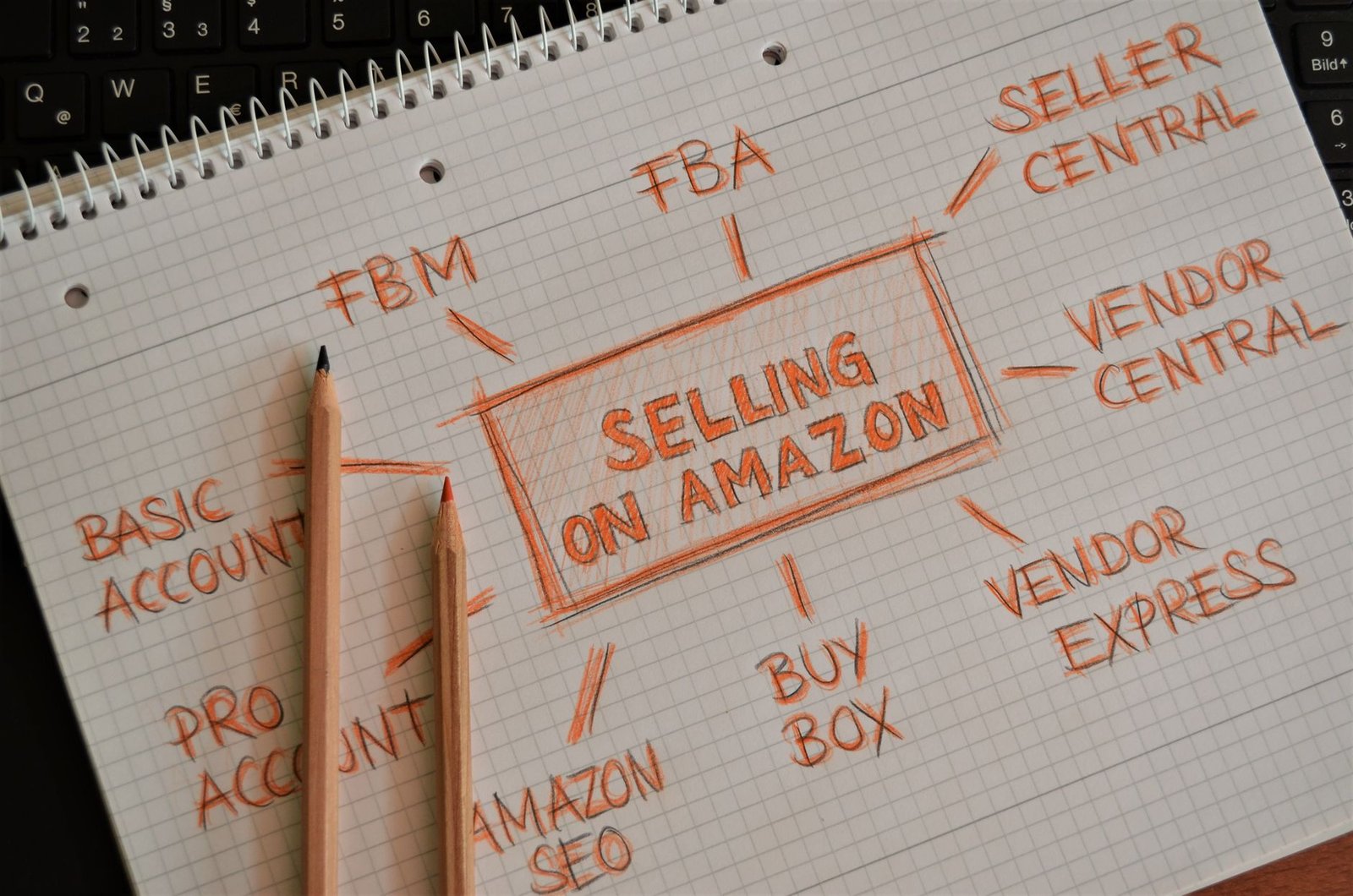
Amazon gross sales have now hit $1 billion in annualized figures, reflecting the intense competition in the quick-commerce sector.
Overview of Amazon’s Sales Growth
Amazon has experienced remarkable sales growth, achieving an impressive milestone of $1 billion in annualized gross sales. This surge reflects the company’s ability to adapt and thrive in an increasingly competitive market, particularly in the realm of quick commerce. As e-commerce continues to evolve, Amazon’s strategic initiatives have positioned it as a dominant player in the retail landscape.
The rapid expansion of Amazon’s gross sales can be attributed to several key factors:
Innovative Logistics: Amazon has invested heavily in its logistics network, enabling faster delivery times that meet consumer demands for convenience.
Diverse Product Offerings: The platform’s vast selection of products attracts a wide range of customers, boosting overall sales figures.
Technological Integration: Advanced technology, such as AI and machine learning, enhances the shopping experience by personalizing recommendations and streamlining operations.
Strategic Acquisitions: Amazon has expanded its reach through acquisitions, including companies that complement its core business and enhance its service capabilities.
As the quick-commerce battle intensifies, Amazon’s focus on innovation and customer satisfaction continues to drive its gross sales growth. The company’s ability to stay ahead of trends and respond swiftly to market changes will be crucial in maintaining its competitive edge in the retail sector.
The Rise of Quick-Commerce
The landscape of retail is rapidly evolving, with quick-commerce emerging as a significant player in the market. Amazon, known for its vast range of products and efficient delivery systems, has seen its gross sales soar as it adapts to this trend. The rise of quick-commerce is transforming the way consumers shop, leading to a surge in demand for speedy delivery services.
Quick-commerce involves delivering products to consumers in less than an hour, a service that many retailers, including Amazon, are now offering. This shift in consumer expectations has prompted companies to refine their logistics and improve their fulfillment strategies. As a result, Amazon’s gross sales have reached impressive milestones, reflecting the company’s commitment to meeting customer needs in real-time.
Several factors contribute to the success of quick-commerce:
Urbanization: With more people living in cities, the demand for quick deliveries has increased.
Technology: Advancements in mobile apps and tracking systems have made it easier for consumers to order and receive products quickly.
Consumer Behavior: Shoppers increasingly prioritize convenience and speed, driving retailers to adapt their services.
As competition grows, Amazon’s ability to leverage its extensive infrastructure puts it in a prime position to dominate the quick-commerce sector, potentially leading to even higher gross sales in the future.
Impact on Retail Industry
The recent surge in Amazon gross sales has not only transformed the company’s market position but has also had a profound impact on the retail industry as a whole. As consumers increasingly turn to online shopping for convenience, traditional retailers are feeling the pressure to adapt or risk losing their market share.
The rise of quick-commerce, characterized by rapid delivery services, has further accelerated this shift. Retailers are now compelled to invest heavily in their logistics and technology to keep pace with Amazon’s evolving business model. This competitive landscape has led to a few key trends:
Increased Investment in Technology: Retailers are enhancing their e-commerce platforms and adopting advanced technologies, such as artificial intelligence and machine learning, to streamline operations and improve customer experience.
Focus on Delivery Speed: With Amazon setting high standards for delivery times, many retailers are re-evaluating their supply chains to offer quicker fulfillment options.
Emphasis on Customer Experience: Retailers are recognizing the importance of personalized shopping experiences and are leveraging data analytics to tailor offerings to individual customer preferences.
As these changes unfold, the retail landscape will continue to evolve. The competitive nature of the market is forcing retailers to innovate and rethink their strategies, making it imperative for them to adapt to the new normal shaped by giants like Amazon.
Amazon’s Competitive Strategies
Amazon has consistently employed competitive strategies that have solidified its position as a leader in the retail sector. These strategies are crucial as the company reaches new heights in gross sales, recently hitting an impressive $1 billion in annualized figures.
One of the key tactics employed by Amazon is its emphasis on customer experience. The company invests heavily in technology to streamline the shopping process, making it as seamless as possible for consumers. This focus on user-friendly interfaces and fast delivery options enhances customer satisfaction and encourages repeat purchases, ultimately contributing to Amazon’s gross sales.
Additionally, Amazon leverages data analytics to understand consumer behavior and preferences. This insight allows the company to tailor its marketing efforts and product recommendations, ensuring customers find what they need quickly. Such targeted strategies not only boost sales but also strengthen brand loyalty.
Moreover, Amazon’s extensive logistics network plays a pivotal role in its competitive advantage. By optimizing distribution centers and utilizing advanced fulfillment technologies, the company can offer faster delivery times, which is increasingly important in today’s quick-commerce battle. This logistical efficiency not only drives sales but also positions Amazon favorably against competitors in the retail landscape.
In summary, Amazon’s competitive strategies, marked by a relentless focus on customer experience, data-driven marketing, and efficient logistics, are integral to its remarkable gross sales growth.
Consumer Behavior Changes
As the retail landscape continues to evolve, understanding consumer behavior changes is critical for businesses aiming to thrive in the competitive market. Recent studies indicate that consumers are increasingly gravitating towards online shopping platforms, reflecting a significant shift in purchasing habits.
One notable trend is the growing preference for instant gratification. Customers now desire faster delivery times and more convenient shopping experiences, driving a surge in quick-commerce services. This shift has prompted major players, including Amazon, to adapt their strategies to meet these new expectations. The increase in Amazon gross sales can be attributed to this transition, as the company invests heavily in logistics and technology to streamline delivery processes.
Additionally, consumers are becoming more price-sensitive, seeking out the best deals and discounts. This change in behavior has led to a heightened demand for competitive pricing and promotional offers. Retailers must now focus on providing value while maintaining quality to appeal to budget-conscious shoppers.
Another significant factor influencing consumer behavior is the rise of mobile shopping. With more people using smartphones to make purchases, businesses need to ensure their platforms are optimized for mobile devices. Companies that successfully adapt to these trends can position themselves effectively in the market, capitalizing on the evolving landscape and potentially boosting their gross sales on platforms like Amazon.
Future Projections for E-commerce
The future of e-commerce appears promising, especially as Amazon continues to set new records in gross sales. Projections indicate that the retail landscape will undergo significant transformations over the next few years, driven by technological advancements and evolving consumer preferences.
Key trends expected to shape the future include:
Increased Personalization: Retailers will leverage data analytics to offer more personalized shopping experiences, catering to individual customer needs and preferences.
Expansion of Subscription Services: As convenience becomes paramount, subscription models are likely to gain traction, allowing consumers to receive products regularly without hassle.
Integration of Augmented Reality: The use of AR technology will enable customers to visualize products in their own spaces, enhancing their decision-making process.
Focus on Sustainability: Consumers are becoming more environmentally conscious, prompting retailers to adopt sustainable practices and products.
As these trends unfold, Amazon gross sales are expected to continue their upward trajectory. The company’s investments in technology and infrastructure will likely position it at the forefront of e-commerce growth, ensuring a dominant market presence.
Ultimately, the integration of innovative strategies, along with a keen understanding of consumer behavior, will be crucial for retailers aiming to thrive in this competitive environment.
Challenges Ahead for Amazon
As Amazon continues to celebrate a significant leap in its gross sales, challenges loom on the horizon that could impact its retail growth strategy. The rapid evolution of consumer preferences and increasing competition from both established retailers and emerging quick-commerce startups present a complex landscape for the company.
One major challenge is market saturation. As more retailers enter the quick-commerce space, the competition intensifies, making it difficult for Amazon to maintain its market share. This saturation could lead to price wars, further squeezing profit margins and complicating the goal of achieving sustainable growth.
Additionally, logistical hurdles threaten the efficiency of Amazon’s delivery systems. The demand for faster delivery times has surged, and any delays could result in customer dissatisfaction, pushing them towards competitors who offer similar services.
Another factor is the changing regulatory environment. As governments increasingly scrutinize the practices of major tech companies, Amazon may face new regulations that could restrict its operations or require adjustments to its business model.
Lastly, consumer trust is paramount. Any slip-ups in service quality or data privacy issues could erode the loyalty Amazon has built over the years. Maintaining high standards is essential for sustaining the momentum of its gross sales while navigating these challenges.
In conclusion, while Amazon has made significant strides in its gross sales, it must remain vigilant against these evolving challenges to ensure continued growth in the retail sector.
To effectively boost Amazon gross sales, retailers should focus on optimizing their product listings and enhancing customer experience. Implementing targeted marketing strategies can significantly increase Amazon gross sales and drive long-term growth.