
When I enter the realm of high roller casino gaming, I am not simply after larger bet ceilings; I am pursuing an ecosystem where every spin, every round and every deal is tuned for substantial dedication https://crash-pirate.co.uk/. At CrashPirate Casino, that ecosystem manifests itself through a handpicked selection of top-tier table games, live dealer salons and unique slot machines. What first catches my eye is how distinctly the high roller segment detaches itself from the standard lobby. Minimums here often begin at £10 or £25 per round in standard tables, while specialised high limit versions can feature £100, £500 or even customisable floors. I have discovered that these games do not simply boost wager ceilings—they tighten the rules, elevate the return-to-player figures and unlock a level of individualisation that mass-market offerings simply cannot match. The whole infrastructure facilitates a cadence of play where moves carry more importance and the difference between a solid session and a brilliant one often resides in the details.
Deposit Methods That Accommodate Bigger Transfers
Transferring five-figure amounts into a casino account requires a payment rail that matches the speed and limit profile of high roller play, and I have spent considerable time testing different options. At CrashPirate Casino, the cashier interface differentiates plainly between instant deposit methods and those that need manual approval above a certain threshold. I rely on bank transfers for my most substantial movements because the single transaction ceiling can reach upwards of £50,000 per transfer with most UK high street banks, and the settlement settles within one to three business hours when using Faster Payments. For mid-range deposits between £2,000 and £10,000, I favor e-wallets like Skrill and Neteller, which process instantly and maintain a withdrawal time of under six hours once my account has been fully verified. I have also started to track the emerging cryptocurrency lanes, where a Bitcoin or Tether transfer removes intermediary bank friction completely and typically confirms on-chain within 30 minutes, although I only use this route when I am comfortable with the exchange rate volatility during the deposit window.
Withdrawal logistics are important just as much as funding speed, and I pay close attention to pending periods and daily release ceilings. CrashPirate Casino typically processes high-value withdrawal requests within 24 hours once the security team has approved the transaction, but the actual arrival time is determined by the method: card withdrawals can take two to five business days, while e-wallets often deliver the funds on the same day. I also look for a withdrawal queue that does not impose a punitive maximum per week, which would force me to stagger large redemptions over several months. Reasonable responsible gambling protocols mean I must still pass source-of-wealth checks when cumulative withdrawals exceed certain thresholds, and I keep recent bank statements or investment portfolio summaries ready to avoid delays. The cashier page at CrashPirate Casino provides a live view of my maximum allowed deposit amount based on my status, and I have found that climbing the VIP levels automatically raises that soft cap, a advantage that prevents me from hitting a payment gateway rejection mid-session.
Real-time Dealer Games for High-stakes Gamblers
I view live dealer tables the lifeblood of any high roller casino experience because they blend the convenience of a digital interface with the social rituals of a private club. At CrashPirate Casino, the live lobby channels me to dedicated high limit streams from Evolution’s London and Malta studios, where the dealers are clearly experienced at handling larger wager flows without breaking character. The video quality delivers at 200 frames per second on a stable connection, and I can toggle between a wide-angle view and a close-up of the wheel or shoe. What I value most is the ability to ask the dealer to pause rotations briefly during a critical decision in roulette, something that standard-speed tables rarely allow. These tables also support behind-the-scenes features like pre-decision betting windows that display my pending wagers before I confirm, a safety net that has protected me from fat-finger errors more than once.
A different dynamic unfolds when I enter the exclusive Salon Privé range, where I can reserve a whole table for a fixed duration. Here, the dealer adjusts the pace entirely around my comfort, and I can request deck changes at will. I have employed this environment to test card-counting drills in real-time without the pressure of six other players timing my decisions. The chat interaction is one-to-one with the dealer and a pit boss who monitors the session, which makes any discrepancy resolution swift and transparent. For baccarat enthusiasts, the squeeze control passes to me via a digital toggle, letting me slowly reveal the cards on my screen as if I were physically peeling them at a felt table. These touches enhance the session from a transactional flow of bets to an immersive ritual that supports the higher minimums. From a practical standpoint, I also depend on the multi-table view that lets me pin two or three high limit tables side by side, keeping my bankroll moving while watching for a hot shoe.
Decoding High Roller Reward Deals
I examine high roller offers critically because the headline match percentage hardly ever tells the full story. At CrashPirate Casino, I have encountered welcome packages that adjust the maximum bonus cap substantially for players depositing £1,000 or more, often reaching figures that exceed the standard cap by a factor of five or ten. What I scrutinise first is the wagering requirement attached to the bonus plus deposit amount. A 150% match up to £3,000 might carry a respectable 35x play-through on the bonus only, while a 50x requirement on combined deposit and bonus substantially changes the maths. I also confirm whether live dealer games contribute fully, partially or not at all towards the rollover. Many high roller offers cap live play to 10% or 20% contribution, which means I have to churn slots to unlock the bonus funds—a constraint that collides with my table-game focus. Another element I appreciate is the window allowed to fulfil the wagering; seven days is standard, but some premium offers stretch this to fourteen or even twenty-one days, allowing me to stagger my play without session cramming.
After the welcome phase, the ongoing VIP reload bonuses serve as the real engine for high volume players. I typically receive weekly top-ups calculated as a percentage of my net deposits over the previous seven days, with caps that scale alongside my loyalty tier. Cashback on losses sits at the core of these offers, and I prefer casinos that credit real-money cashback with a minimal or zero wagering requirement. Even a 5% cashback paid as withdrawable funds can blunt a rough streak significantly. At CrashPirate Casino, I have also noted that high roller bonuses occasionally include loss-back tokens that refund a portion of a single large losing session, a tool I use tactically on days when I plan to play high-limit roulette or baccarat with an aggressive progression. The terms of these token redemptions are invariably documented inside my account’s bonus wallet, so I read them before activating a session.
High Bet Table Games along with Their Appeal
When I inspect the high limit table area at CrashPirate Casino, three game types consistently drive the real-money action: blackjack versions, multihand roulette as well as punto banco baccarat. I prefer blackjack primarily because the strategic depth couples directly with a low baseline house edge when handled with flawless basic strategy. The premium tables I find usually remove the gimmicks—no confusing re-bet multipliers or forced side bets—and present a classic seven-seat layout where I can double after splitting and the dealer stands on soft seventeen. With a minimum bet of £100 or greater, the mathematics are kept clean, and I appreciate that these setups often deliver detailed play history panels, enabling me to review my decisions after each shoe.
- High Roller Blackjack: A classic seven-seat table where I can double after splitting and enjoy 3:2 naturals, with minimums that range from £100 to £1,000 per hand based on the time of day.
- Private Baccarat: A commission-free version that pays 0.95:1 on banker wins and allows squeezing rituals, normally restricted above £5,000 per coup.
- Platinum Roulette: Single-zero wheels with the en prison rule, tracked by an on-screen history of the last 500 spins, and inside straight-up limits that often reach £500.
- VIP Three Card Poker: A fast-paced table where the pair-plus and ante bonus paytables are juiced to pay at 1:1, 4:1 and 5:1 accordingly, with a progressive jackpot side bet feeding the same prize pool as the slot network.
Premium Slot Machines and Accumulating Jackpots
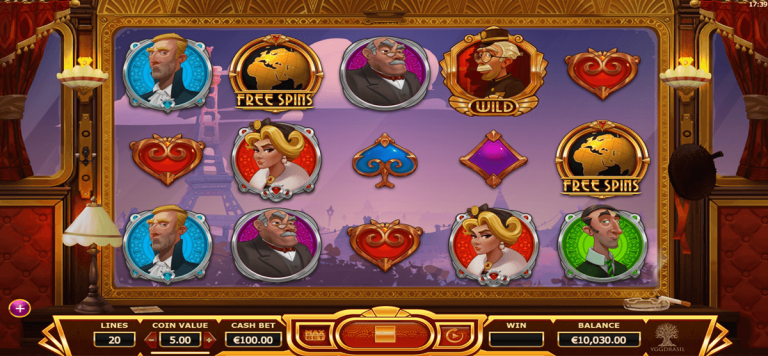
High-stakes slots operate on a separate architecture than the penny machines I try on a quiet afternoon. At CrashPirate Casino, the VIP slot range draws titles from suppliers like NetEnt, Play’n GO and Red Tiger, but the settings are modified: the minimum coin value often is set at £1 or £2, and the highest stake per spin can climb comfortably to £500 or more. I know to check the payout percentage shown in the game rules, and these high limit versions frequently display a expected RTP of 96.5% to 98.0%, significantly higher than their lower-bet siblings. Furthermore, the volatility index matters a great deal because a high roller budget must last long enough to hit the feature cycle. I usually choose highly volatile titles like Dead or Alive 2 or Money Train 3 that hold huge potential into their bonus rounds, but I also keep a share of my session fund allocated to medium-volatility games that produce regular base-game hits, keeping the balance from draining before the first free spin activates.
- Mega Moolah Atlantic City: A five-reel progressive slot where the unpredictable jackpot wheel triggers at any spin, and the minimum qualifying bet for the multi-million-pound pool stands at £0.25 per line, amounting to a total stake of £6.25 per spin in the high roller configuration.
- Age of the Gods King of Olympus: I prefer this title because the jackpot game opens during any base spin and the four-tier progressive layer restarts quickly after a payout, maintaining the cycle tempting for continued high-value wagering.
- Reactoonz 2 VIP: The cascading grid format allows multiple consecutive wins from a single stake, and the Quantumeter builds faster at higher bet sizes, providing me an motivation to raise my per-spin commitment beyond the standard £100 mark.
What Characterizes a High Roller Game
For me, a high roller game is distinguished by three measurable traits: elevated table limits, refined house edge configurations and the presence of tailored side bets or progressive layers. I have seen blackjack tables where the standard 3:2 payout on a natural remains untouched but the minimum bet climbs to £250, letting a single hand swing thousands of pounds. In roulette, the spread between inside and outside maximums often narrows, giving me the freedom to place straight-up numbers at £500 while still covering even-money propositions at a few thousand per spin. These adjustments are not cosmetic; they shift the volatility profile and require a deeper bankroll strategy. Beyond the raw numbers, I also look for accreditation from studios like Evolution or Pragmatic Play, whose high limit dedicated rooms broadcast from specially designed environments with unrestricted camera angles. That transparency tells me the game has been engineered to withstand the scrutiny of players who frequently wager five or six figures in a week.
What I find less obvious but equally important is how the back-end mathematics change. Many high roller tables feature a lower house edge on even-money bets, often trimming fractions of a percent from the standard version. In baccarat, for example, the banker commission might drop to 4% on selected dragon bonus tables, and I have spotted single-zero roulette with the en prison rule active, which cuts the house advantage on outside bets to roughly 1.35%. Such nuances accumulate quickly when average session stakes run into the thousands. I also pay attention to acceleration features like turbo mode or an auto-deal cadence that compresses more decisions into each hour without sacrificing the tactile feel. At CrashPirate Casino, the high roller lobby filters these variants consistently, so I rarely need to hunt across different providers to compare limit structures. That clarity lets me focus on my system rather than re-evaluating the environment every time I open a new table.
Licensing and Player Protection for VIP Accounts
I would not deposit a large bankroll at an online casino without initially verifying its licence to work in the United Kingdom. CrashPirate Casino shows its licensing credentials in the footer of every page, and I cross-reference that number against the UK Gambling Commission’s public register. That licence brings compulsory segregation of player funds, regular technical audits of the random number generators and a clear complaints procedure that I can elevate to an independent adjudicator if needed. On the platform itself, I turn on every security layer available, including mandatory two-factor authentication and a withdrawal password that differs from my account login. I also check that the casino uses TLS 1.3 encryption across all pages, not just the cashier, because session hijacking attempts often target less protected parts of a site. From a practical standpoint, I like that the high roller desk at CrashPirate Casino assigns a dedicated account manager once my activity level crosses a certain threshold. That single point of contact handles everything from payment limit adjustments to real-time bonus crediting without me needing to outline my history to a different agent each time.
Responsible play tools designed for high roller accounts must be strong but not patronising, and I have found the dashboard at CrashPirate Casino strikes that balance. I can set loss limits that span daily, weekly and monthly windows, and I appreciate that the cool-off function activates instantly rather than requiring a 24-hour waiting period. For players like me who record results meticulously, the platform exports a single-session history that includes every spin, hand and card in a CSV format, which I feed into my own bankroll tracking spreadsheet. Deposit limits can be raised, but only after a 24-hour reflection period, a safeguard I support because it prevents heat-of-the-moment decisions after a rough session. I also make use of the reality check notifications set to 60-minute intervals, which help me maintain a disciplined session length. Ultimately, the entire responsible gaming framework underscores what I believe every high roller should accept: that the games are designed for entertainment, and the tools exist to maintain it that way, even when the numbers on the screen grow large.
Leave a Reply